

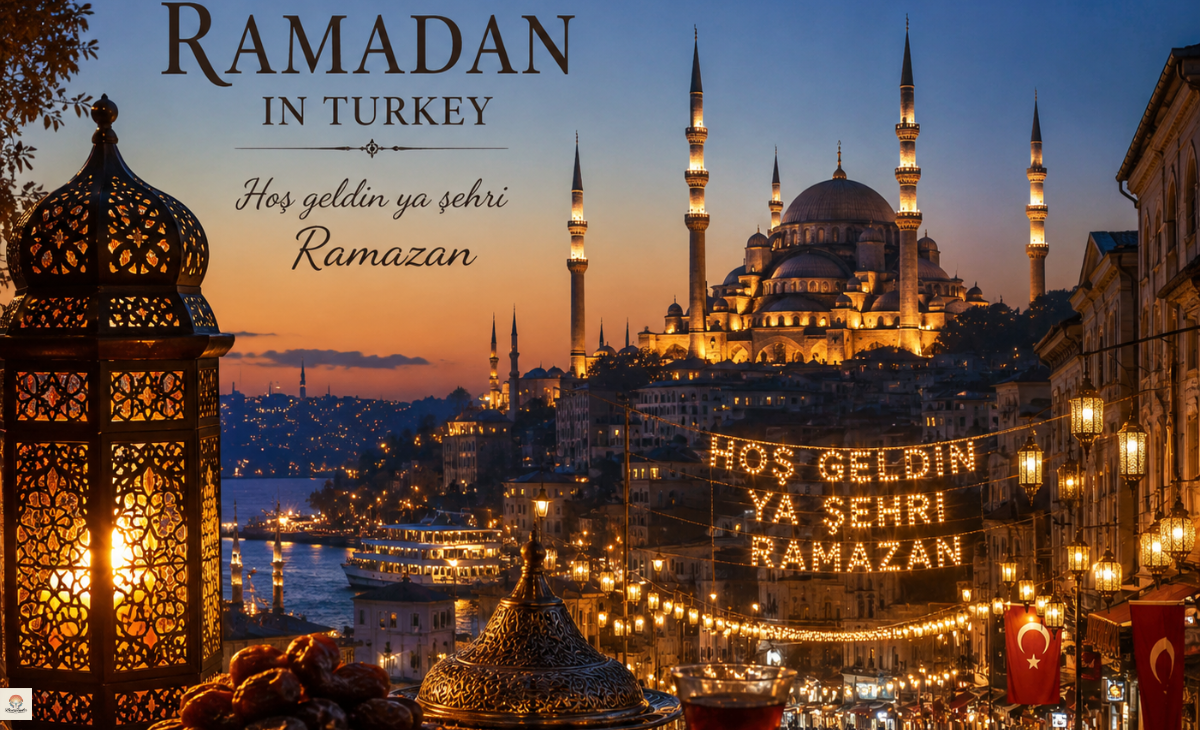
Ramadan Mubarak Turks is a popular topic among people who want to understand how Turkish Muslims welcome the holy month of Ramadan. Throughout Turkey, families, friends, and communities exchange heartfelt greetings, share meals, and embrace traditions that have been passed down for generations. From saying Hayirli Ramazanlar to sending meaningful Ramadan wishes in Turkish, these expressions reflect faith, kindness, and cultural pride. Learning about Turkish Ramadan greetings, Ramadan traditions in Turkey, and Islamic greetings in Turkish helps visitors and language learners appreciate the rich connection between spirituality and daily life. These customs continue to make Ramadan a deeply cherished time across the country.
What Does Ramadan Mubarak Mean in Turkish?
The phrase Ramadan Mubarak means “Blessed Ramadan” and serves as a heartfelt wish for peace, spiritual growth, and divine blessings during the holy month. While many Turkish people understand the Arabic expression, they often prefer local greetings that feel more natural within the Turkish language Ramadan phrases used every day. These greetings carry warmth, respect, and a sense of belonging that strengthens relationships throughout Ramadan.
When discussing Ramadan Mubarak Turks, it is important to recognize that Turkish greetings often focus on wishing goodness and prosperity rather than simply translating Arabic phrases word for word. The most common equivalent is Hayirli Ramazanlar, a phrase that expresses sincere wishes for a blessed and rewarding Ramadan. Understanding the Meaning of Hayirli Ramazanlar helps reveal why this greeting remains the preferred choice among many Turkish families and communities.
Turkish Equivalents of Ramadan Mubarak
Although Ramadan Mubarak is widely recognized across the Muslim world, Turkey has developed its own collection of beautiful greetings over centuries. The most frequently used expressions include Hayirli Ramazanlar, Ramazan Mubarek Olsun, and Ramazan Serifiniz Mubarek Olsun. Each phrase carries slightly different shades of meaning, ranging from casual friendliness to deep respect.
These expressions form an essential part of Islamic greetings in Turkish and appear in conversations, social media posts, greeting cards, and family gatherings. People searching for How to wish Happy Ramadan in Turkish often discover that using local expressions creates a stronger connection with Turkish speakers than relying solely on Arabic greetings.
Differences Between “Ramadan Mubarak” and “Hayirli Ramazanlar”
One of the most common questions involves the difference between Ramadan Mubarak and Hayirli Ramazanlar. Ramadan Mubarak originates from the Arabic language and literally means “Blessed Ramadan.” Hayirli Ramazanlar comes from the Turkish language and translates more closely to “Good Ramadans” or “May you have a blessed Ramadan.”
The distinction may seem small, yet it highlights the blend of faith and national identity found throughout Turkish Ramadan traditions. While both greetings are respectful and widely accepted, Hayirli Ramazanlar often sounds more natural to native Turkish speakers. This explains why many guides discussing Common Ramadan phrases in Turkey place it at the top of the list.
Why Turkish Ramadan Greetings Carry Deep Cultural Significance
Ramadan greetings in Turkey do more than acknowledge a religious season. They strengthen family ties, encourage kindness, and reinforce shared values. During Ramadan, people greet neighbors more warmly, invite others to meals, and participate in charitable activities that reflect the spirit of generosity encouraged by the Quran.
The enduring popularity of these greetings demonstrates the Cultural significance of Ramadan greetings within Turkish society. Whether spoken in large cities such as Bursa or smaller communities in Konya and Mardin, these expressions help preserve traditions while creating meaningful human connections during the holy month.
Ramadan Mubarak Turks – Most Common Turkish Ramadan Greetings
Hayirli Ramazanlar (Happy Ramadan)
Among all expressions connected to Ramadan Mubarak Turks, Hayirli Ramazanlar remains the most widely used. It appears in everyday conversations, television programs, business messages, and social media posts throughout Ramadan. For anyone learning Happy Ramadan in Turkish, this phrase should be the first one to memorize because it works in almost every situation.
The phrase carries a warm and inclusive tone. Whether greeting family members, colleagues, or strangers, Hayirli Ramazanlar communicates respect and goodwill. Because of its versatility, many language learners consider it one of the most important examples of Turkish Muslim greetings and Turkish Ramadan expressions.
Ramazan Mubarek Olsun (May Ramadan Be Blessed)
Ramazan Mubarek Olsun offers a slightly more formal alternative. This greeting places emphasis on blessings and spiritual fulfillment. It is often used in written messages, religious gatherings, and conversations with elders who appreciate traditional expressions.
Many people researching Ramadan Mubarek Olsun meaning discover that the phrase conveys a sincere prayer for a meaningful Ramadan. Its respectful tone makes it one of the most cherished examples of Ramadan month wishes and Ramadan sayings used throughout Turkey.
Ramazan Serifiniz Mubarek Olsun (Respectful Ramadan Blessing)
This elegant greeting demonstrates deep respect and is often directed toward older family members, teachers, community leaders, and guests. The inclusion of “Serifiniz” adds honor and formality to the message.
Within discussions of Ramadan wishes for elders, this expression frequently appears as a preferred choice. It showcases the importance of respect in Turkish society while preserving centuries-old traditions associated with Ramadan communication and cultural etiquette.
Hos Geldin Ya Sehri Ramazan (Welcome Ramadan)
As Ramadan begins, many Turkish families enthusiastically welcome the holy month with Hos Geldin Ya Sehri Ramazan. The phrase expresses happiness, anticipation, and gratitude for reaching another Ramadan.
This greeting is closely linked with Ramadan celebration in Turkey, where communities prepare special meals, decorate public spaces, and gather for worship. It reflects the excitement that accompanies the arrival of a month devoted to prayer, fasting, and self-reflection.
Ramazaniniz Mubarek Olsun (Formal Turkish Ramadan Greeting)
Another respected expression is Ramazaniniz Mubarek Olsun. The phrase includes a possessive form that directly addresses the listener, creating a personal and thoughtful message.
Because of its refined style, it frequently appears in official statements, business correspondence, and community announcements. It remains an excellent example of Traditional Turkish Ramadan wishes and one of the most recognizable forms of Ramadan greetings for Turkish Muslims.
How to Pronounce Turkish Ramadan Greetings Correctly
Pronunciation of Hayirli Ramazanlar
Mastering pronunciation helps greetings sound natural and respectful. Hayirli Ramazanlar is typically pronounced as “ha-yur-luh ra-ma-zan-lar.” The most challenging feature for English speakers is the Turkish dotless “ı,” which has no exact equivalent in English. Learning How to pronounce Hayirli Ramazanlar correctly immediately improves communication and confidence.
This phrase frequently appears in lessons covering Turkish Ramadan greetings pronunciation because it represents the most common greeting used throughout the holy month. Spending time practicing the sounds will make conversations smoother and more authentic.
Pronunciation of Ramazan Mubarek Olsun
Ramazan Mubarek Olsun is generally pronounced “ra-ma-zan moo-ba-rek ol-soon.” Each syllable is spoken clearly, and stress usually falls near the end of the phrase. Turkish pronunciation tends to be consistent, which makes it easier for beginners once they learn the basic rules.
Anyone studying Turkish pronunciation guide materials will quickly notice that Turkish words are pronounced much more predictably than English words. This consistency allows visitors and learners to master common greetings relatively quickly.
Understanding the Turkish Dotless “I” Sound
One of the most distinctive features of Turkish pronunciation is the dotless “ı.” This sound appears in words such as Hayirli and can be difficult for English speakers because it does not exist in standard English pronunciation.
Learning this sound is important when studying Turkish phrases used during Ramadan and other religious expressions. Accurate pronunciation shows respect for the language while helping conversations flow more naturally.
Common Pronunciation Mistakes English Speakers Make
Many English speakers accidentally pronounce Ramazan as Ramadan because they are familiar with the Arabic version. While understandable, Turkish speakers generally use Ramazan with a “z” sound rather than a “d” sound.
Another common mistake involves stressing the wrong syllable. Understanding these small differences helps improve Turkish Ramadan greetings and responses while making communication more effective during Ramadan gatherings and celebrations.
Easy Pronunciation Tips for Beginners
A simple strategy is to listen to native speakers and repeat greetings slowly before increasing speed. Recording your pronunciation can also reveal areas that need improvement. Consistent practice helps transform unfamiliar sounds into natural speech patterns.
For anyone wondering How do you say Happy Ramadan in Turkish, combining correct pronunciation with cultural awareness creates a stronger and more respectful connection. Mastering these greetings opens the door to deeper understanding of Ramadan customs, Turkish Islamic expressions, and the rich traditions that define Ramadan across Turkey.
Turkish Ramadan Traditions and Cultural Customs
How Ramadan Is Observed Across Turkey
Few religious occasions shape daily life as deeply as Ramadan in Turkey. During the holy month, Muslims adjust their schedules around fasting, prayer, family gatherings, and charitable acts. From the historic neighborhoods of Istanbul to the traditional communities of Urfa, people embrace a rhythm centered on faith and togetherness. This strong connection between Turkish culture and Ramadan creates a unique atmosphere that visitors often remember long after the month ends.
Across the country, businesses, schools, and families acknowledge the importance of Ramadan. Streets become livelier after sunset as families gather for Iftar meals. Mosques welcome large crowds for worship, and communities organize charity events to help those in need. These enduring practices represent some of the most cherished Ramadan traditions in Turkey and demonstrate how faith continues to influence daily life.
Family Gatherings and Community Iftars
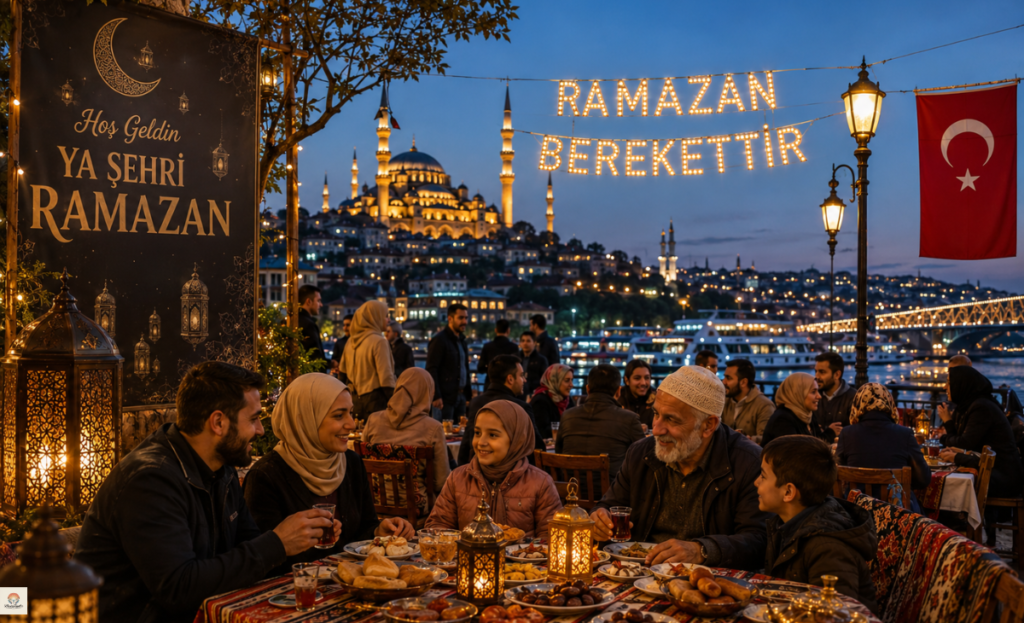
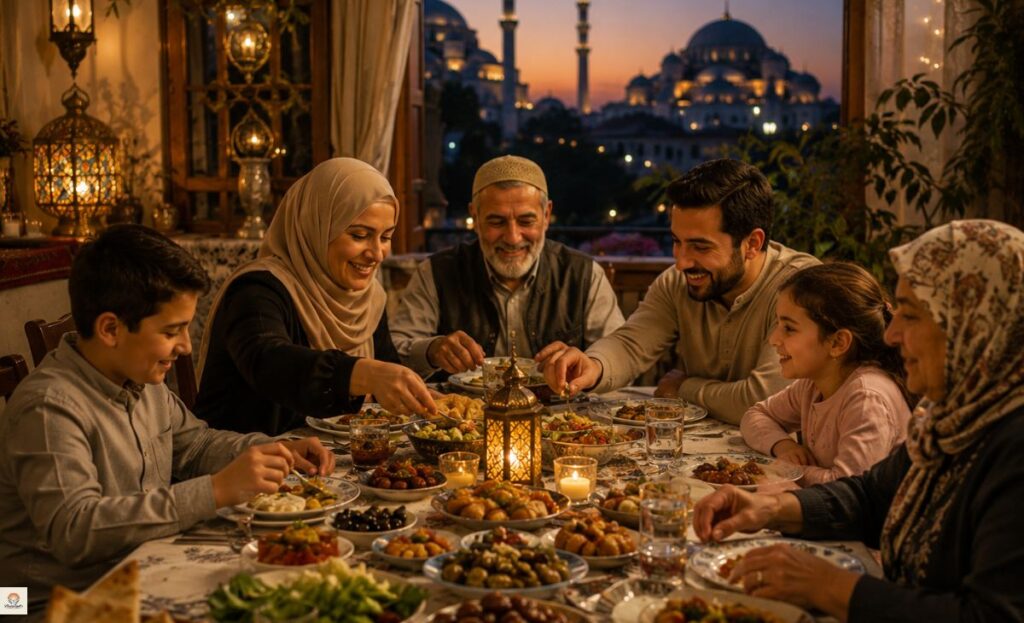
One of the most beautiful aspects of Ramadan Mubarak Turks celebrations is the emphasis on family unity. Every evening, relatives and friends gather around tables filled with traditional foods to break their fast together. Sharing meals strengthens relationships and reminds participants of the importance of gratitude and generosity.
Community Iftars have also become an important feature of modern Turkish society. Municipalities, charities, and local organizations often host large public meals where strangers sit side by side. These gatherings embody the spirit of Ramadan blessings and prayers while encouraging compassion and social harmony. Many visitors consider these events among the most memorable examples of Ramadan customs in Turkey.
The Tradition of Ramadan Drummers (Ramazan Davulcusu)
Long before alarm clocks existed, Turkish communities relied on Ramadan drummers known as Ramazan Davulcusu to wake residents for Sahur. Walking through neighborhoods before dawn, drummers beat traditional instruments and recite verses to alert families that it was time for the pre-fast meal.
Although technology has changed daily life, this tradition remains alive in many regions. The sound of the drum serves as a reminder of cultural continuity and community identity. It remains one of the most recognizable symbols of Turkish Ramadan traditions and an important part of Ramadan celebration in Turkey.
Mosque Activities and Tarawih Prayers
Mosques become vibrant centers of worship throughout Ramadan. In addition to the five daily prayers, Muslims attend special evening prayers known as Tarawih Prayer. These gatherings create opportunities for spiritual reflection and community engagement.
Many mosques organize Quran recitations, educational programs, and charitable initiatives during the month. The atmosphere often feels both peaceful and inspiring. For those interested in Turkish religious expressions, observing Ramadan activities in Turkish mosques offers valuable insight into the country’s religious heritage.
Charity, Generosity, and Helping Those in Need
Generosity occupies a central place in Ramadan. Families donate food, clothing, and financial assistance to people experiencing hardship. Charitable organizations expand their outreach efforts, while neighbors quietly support one another in countless ways.
These acts reflect teachings found in the Quran and demonstrate why Ramadan is often called a month of mercy. The practice of helping others strengthens social bonds and highlights the deeper meaning behind many Ramadan blessings exchanged throughout the month.
Decorations, Lanterns, and Ramadan Atmosphere
As Ramadan begins, many Turkish cities display decorative lights and welcoming messages between mosque minarets. These illuminated signs, known as Mahya, create a festive atmosphere that transforms city skylines after sunset.
Public squares, markets, and cultural centers also host special events during Ramadan evenings. The resulting environment combines spirituality with celebration, offering a vivid example of how Turkish Ramadan traditions continue to thrive in contemporary society.
How Turks Wish Each Other Ramadan Mubarak
Greetings Among Family Members
Family relationships become especially important during Ramadan. Parents, grandparents, and children frequently exchange greetings such as Hayirli Ramazanlar and Ramadan Mubarek Olsun to express love and goodwill. These phrases help create a warm environment where spiritual values are passed from one generation to the next.
The practice extends beyond formal greetings. Many families send daily messages, share prayers, and offer encouragement throughout the month. These interactions demonstrate the importance of Ramadan wishes for friends and family and reinforce the values associated with Ramadan communication.
Turkish Ramadan Wishes for Friends
Friendships often become stronger during Ramadan because people spend more time together at Iftar gatherings, mosque events, and charitable activities. A thoughtful greeting can deepen these connections and make others feel appreciated.
Among the most popular Ramadan wishes in Turkish are Hayirli Ramazanlar and Ramazaniniz Mubarek Olsun. These expressions remain widely used in personal conversations, text messages, and social media posts. They are excellent examples of Common Ramadan phrases in Turkey that can be used in almost any situation.
Professional and Workplace Ramadan Greetings
Business settings also embrace Ramadan greetings. Colleagues frequently exchange respectful wishes at the beginning of the month, while companies may publish official Ramadan messages for employees and customers.
Using appropriate Turkish Muslim greetings in professional environments demonstrates cultural awareness and respect. This practice has become increasingly common as businesses seek to strengthen relationships during the holy month.
Respectful Greetings for Elders
Respect for elders remains a cornerstone of Turkish society. During Ramadan, younger family members often use more formal expressions when addressing parents, grandparents, teachers, and community leaders.
Examples include Ramazan Serifiniz Mubarek Olsun and other traditional phrases associated with Ramadan wishes for elders. These greetings acknowledge both age and wisdom while preserving longstanding cultural values.
Ramadan Greetings in Modern Turkish Society
Technology has transformed the way people communicate during Ramadan. While face-to-face greetings remain important, many individuals now share wishes through messaging apps and social media platforms.
This digital shift has increased the popularity of Turkish Ramadan messages for WhatsApp, Ramadan greetings for social media, and Turkish Ramadan text messages. Despite these changes, the purpose remains the same: strengthening relationships and spreading positivity during the holy month.
How to Respond to Ramadan Mubarak in Turkish
Size De (To You Too)
When someone wishes you Hayirli Ramazanlar or Ramadan Mubarak, one of the simplest responses is Size De, which means “To you too.” This short phrase is polite, friendly, and appropriate in both formal and informal settings.
Many language learners searching for How to respond to Ramadan wishes in Turkish begin with this response because it is easy to remember and widely accepted throughout Turkey.
Amin, Sizin De
Amin, Sizin De translates roughly to “Amen, and to you as well.” This response acknowledges the blessing while returning the good wishes to the other person.
Because it contains a spiritual element, the phrase is especially common among practicing Muslims. It remains one of the most frequently used examples of Turkish Ramadan greetings and responses.
Allah Kabul Etsin
Another meaningful response is Allah Kabul Etsin, which means “May Allah accept it.” People often use this phrase after acts of worship, fasting, or prayer.
The expression reflects the spiritual goals of Ramadan and highlights the importance of sincerity. It also represents one of the most respected Turkish Islamic expressions heard during the holy month.
Formal Responses to Ramadan Greetings
Formal situations often require more polished responses. Phrases such as Ramazaniniz Mubarek Olsun or Amin, Hepimizin can help maintain respect while expressing gratitude.
These responses are commonly used in workplaces, community events, and official gatherings. Understanding them is an important part of learning Ramadan etiquette and improving cross-cultural communication.
Informal Responses Used Among Friends
Friends generally use shorter and more relaxed responses. A simple Size De or Tesekkur Ederim can be enough to acknowledge the greeting warmly.
These casual exchanges demonstrate that effective Ramadan communication does not require complicated language. What matters most is sincerity and goodwill.
Quick Guide to Turkish Ramadan Greetings and Responses
| Greeting | Response |
| Hayirli Ramazanlar | Size De |
| Ramazan Mubarek Olsun | Amin, Sizin De |
| Hayirli Iftarlar | Tesekkur Ederim |
| Allah Kabul Etsin | Amin |
| Hayirli Sahurlar | Size De, Hayirli Sahurlar |
By learning these greetings and responses, visitors, students, and anyone interested in Ramadan Mubarak Turks can participate more confidently in conversations during Ramadan. These phrases represent far more than words. They reflect friendship, faith, respect, and the enduring traditions that continue to define Ramadan across Turkey.
Special Turkish Ramadan Wishes for Iftar, Sahur, and Kadir Gecesi
Hayirli Iftarlar (Blessed Iftar Wishes)
As the sun sets and families gather around the table, Turks often exchange Hayirli Iftarlar, meaning “Have a Blessed Iftar.” This phrase is one of the most popular Ramadan greetings used before breaking the daily fast. It expresses gratitude, unity, and appreciation for the blessings of food, family, and faith. During Ramadan, these wishes help create a welcoming atmosphere that reflects the spirit of generosity and togetherness.
Throughout Turkey, from Istanbul to Gaziantep, people send Ramadan wishes in Turkish before Iftar gatherings. Whether shared in person or through text messages, these greetings remind Muslims of the importance of thankfulness. They also serve as excellent examples of Ramadan wishes before Iftar and meaningful Turkish Ramadan expressions used throughout the holy month.
Hayirli Sahurlar (Blessed Sahur Wishes)
Before dawn, Muslims wake for Sahur, the pre-fast meal that provides nourishment for the day ahead. During this quiet time, friends and family often exchange Hayirli Sahurlar, wishing each other a peaceful and rewarding start to their fasting day. The phrase reflects care, encouragement, and spiritual support.
Among the most common Sahur greetings in Turkish, Hayirli Sahurlar remains widely used across generations. It appears frequently in family conversations, community groups, and social media posts. These greetings contribute to the strong sense of connection found in Turkish culture and Ramadan, where even small expressions carry deep meaning.
Kadir Geceniz Mubarek Olsun (Night of Power Wishes)
One of the most sacred nights in Islam is Kadir Gecesi, known as the Night of Power. Muslims believe this is the night when the first verses of the Quran were revealed. Turkish families mark the occasion with prayer, reflection, and heartfelt greetings such as Kadir Geceniz Mubarek Olsun, meaning “May your Night of Power be blessed.”
The importance of Ramadan Night of Power wishes cannot be overstated. Many people spend the night in worship while seeking forgiveness and divine mercy. These greetings help strengthen community bonds and reflect the spiritual depth associated with Turkish Ramadan traditions and religious observance.
Tarawih Prayer Blessings
Evening worship plays a central role in Ramadan, and many Turks attend Tarawih Prayer at local mosques after Iftar. Friends and family often exchange encouraging messages before and after prayer, wishing one another acceptance and spiritual growth.
These Tarawih prayer greetings frequently include prayers for forgiveness, patience, and increased faith. Such expressions highlight the importance of worship while preserving cherished Turkish religious expressions that have been passed from generation to generation.
Wishes for the Last Ten Nights of Ramadan
The final ten nights of Ramadan hold special significance because they include the possibility of encountering Kadir Gecesi. During this period, Turkish Muslims intensify their prayers, charitable efforts, and acts of worship.
Many people share Ramadan blessings and prayers focused on mercy, forgiveness, and guidance. These messages remind believers to make the most of the remaining days of Ramadan while preparing spiritually for Ramazan Bayrami and Eid al-Fitr celebrations.
Five Long Ramadan Blessings and Prayers Used in Turkey
Blessing for Peace and Guidance
May Allah fill your heart with peace, strengthen your faith, and guide your steps throughout this blessed month. May every fast bring you closer to Him, every prayer increase your wisdom, and every act of kindness multiply your rewards. May your Ramadan be filled with endless mercy, forgiveness, and lasting happiness.
Blessing for Family and Loved Ones
May Allah shower your family with health, prosperity, and protection during Ramadan. May your home be filled with joy at every Iftar and peace at every Sahur. May your loved ones remain united in faith and may every prayer bring blessings into your lives for years to come.
Blessing for Forgiveness and Mercy
O Allah, forgive our mistakes, accept our prayers, and purify our hearts during this sacred month. Grant us patience in hardship, gratitude in abundance, and sincerity in worship. May Your mercy surround us today and always as we strive to become better believers.
Blessing for Success and Prosperity
May Allah bless your work, increase your opportunities, and grant success in all that is good. May Ramadan bring spiritual growth alongside worldly blessings. May every challenge become easier and every sincere effort be rewarded with abundance and peace.
Blessing for Kadir Gecesi
On this blessed Kadir Gecesi, may Allah accept your prayers, forgive your sins, and grant your deepest hopes. May the light of faith illuminate your path and may His mercy embrace you and your family. May this sacred night become a source of blessings that remain with you long after Ramadan ends.
Ramadan Mubarak Turks Messages for WhatsApp, Social Media, and Cards
Short Ramadan Mubarak Turks Messages
Modern communication has transformed how people exchange greetings during Ramadan. Many Turks now send short messages through WhatsApp, Instagram, Facebook, and other platforms. These messages allow people to share Ramadan blessings, even when they live far apart.
Examples of Turkish Ramadan messages for WhatsApp include simple greetings such as “Hayirli Ramazanlar. May Allah accept your prayers and bless your family.” These concise yet meaningful messages remain among the most popular forms of Ramadan communication in Turkey.
Formal Ramadan Greetings for Cards
Greeting cards remain a thoughtful way to honor friends, relatives, and business associates during Ramadan. Formal messages often include traditional phrases and prayers that reflect respect and sincerity.
Many Turkish Ramadan card messages include expressions such as Ramazan Mubarek Olsun and prayers for peace, prosperity, and spiritual growth. These cards are especially common among older generations who value traditional forms of communication.
Religious Ramadan Blessings
Religious greetings focus on worship, forgiveness, and gratitude. They often reference divine mercy and encourage believers to increase their devotion throughout Ramadan.
Examples of Ramadan blessings and prayers may include wishes for accepted fasting, answered prayers, and spiritual success. These messages remain central to Turkish Muslim greetings and reflect the deeper purpose of the holy month.
Social Media Captions for Ramadan
Social media has created new opportunities for sharing Ramadan wishes. Many users post inspirational quotes, family photos, and prayers accompanied by traditional greetings.
Popular Ramadan greetings for social media often combine Hayirli Ramazanlar with encouraging messages about kindness, patience, and gratitude. These posts help spread positivity while preserving traditional Ramadan sayings in a modern format.
Family-Oriented Ramadan Wishes
Family-centered greetings remain among the most heartfelt forms of communication during Ramadan. These messages often emphasize love, togetherness, and appreciation for shared blessings.
Examples of Ramadan wishes for friends and family may include prayers for health, happiness, and protection. Such messages strengthen relationships and highlight the importance of family within Turkish Ramadan traditions.
Business and Professional Ramadan Messages
Businesses frequently share Ramadan greetings with employees, customers, and partners. These messages are usually respectful, concise, and focused on goodwill.
Professional greetings often use phrases such as Hayirli Ramazanlar and Ramazan Mubarek Olsun while expressing appreciation and respect. They represent an important aspect of Ramadan etiquette and professional relationship building.
These greetings, prayers, and messages demonstrate why Ramadan Mubarak Turks remains more than a simple phrase. It represents faith, hospitality, tradition, and heartfelt goodwill that continues to unite people throughout Turkey during the holiest month of the Islamic calendar.
Frequently Asked Questions
What do Turks say during Ramadan?
Turks commonly say “Hayırlı Ramazanlar” and “Ramazan Mubarek Olsun,” which mean blessed Ramadan. These are popular Turkish Ramadan greetings used throughout the holy month.
Do Turkish Muslims do Ramadan?
Yes, most Turkish Muslims observe Ramadan by fasting, praying, giving charity, and attending evening worship services. Ramadan is an important religious and cultural tradition in Turkey.
Can I say salam alaikum in Turkey?
Yes, you can say “Salam Alaikum” (Selamün Aleyküm in Turkish), and it is widely understood and used. The common response is “Aleyküm Selam.”
Do Turks say Eid Mubarak?
Many Turks say “Bayramınız Mübarek Olsun” or “İyi Bayramlar” during Ramazan Bayramı (Eid al-Fitr). Some also use “Eid Mubarak,” especially in international settings.
How do you wish for Ramadan in Turkey?
You can say “Hayırlı Ramazanlar” or “Ramazan Mubarek Olsun” to wish someone a blessed Ramadan. These phrases are warm, respectful, and commonly used across Turkey.
Conclusion
Understanding Ramadan Mubarak Turks offers much more than learning a few greetings. It opens a window into a culture where faith, hospitality, family, and community remain deeply connected. Whether you are learning Turkish, visiting Turkey, or simply hoping to greet Turkish friends respectfully, phrases such as Hayirli Ramazanlar, Ramadan Mubarek Olsun, and other Turkish Muslim greetings can help you build meaningful connections during the holy month.
The beauty of Ramadan Mubarak Turks lies in its combination of spirituality and tradition. From the bustling streets of Istanbul to the historic neighborhoods of Gaziantep and the spiritual centers of Konya, Ramadan brings people together through worship, generosity, and shared experiences. The rich collection of Ramadan messages, Turkish Ramadan traditions, Turkish religious expressions, and Ramadan blessings continues to inspire millions every year.

Hi, I’m Sidra Ali, a content writer behind Blessings Together. I love creating engaging and thoughtful content that brings positivity, inspiration, blessings and valuable insights to my readers.