


Many people wonder, what is adoration in the Catholic Church and why it holds such an important place in Catholic life. Adoration is a sacred practice where Catholics spend time in prayer before the Blessed Sacrament, believing in the Real Presence of Jesus in the Eucharist. It is a special opportunity to step away from daily distractions and focus completely on Christ. Through Catholic prayer, believers deepen their faith, find peace, and strengthen their relationship with God. Whether through silent prayer, reflection, or simply being present before Jesus, adoration helps Catholics experience God’s love, grace, and guidance in a personal and meaningful way.
1. What Is Adoration in the Catholic Church?
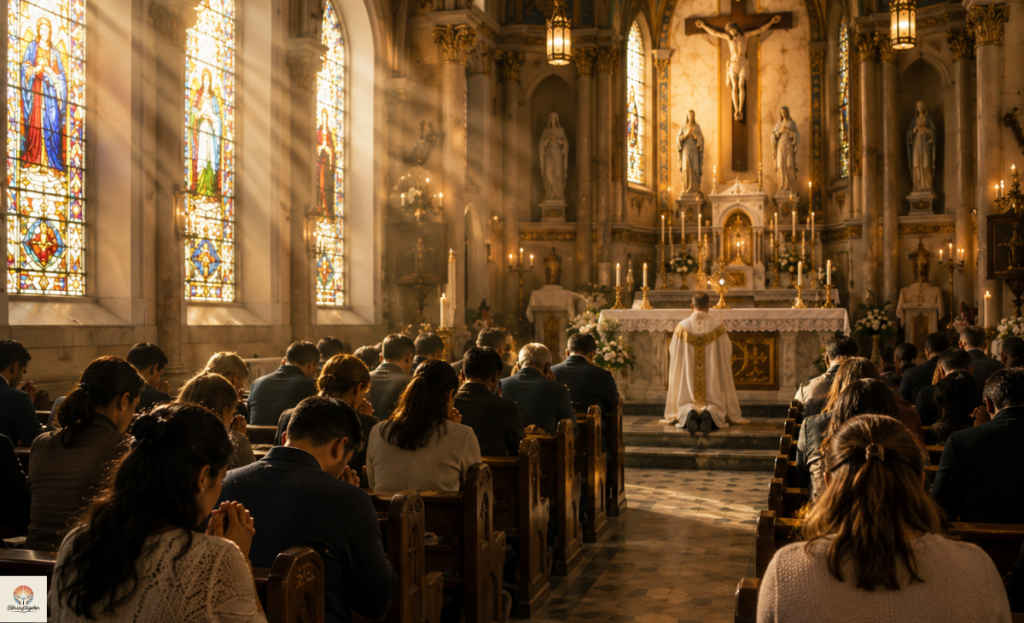
The answer to what is adoration in the Catholic Church begins with understanding the Eucharist. Catholics believe that Jesus is truly present in the Eucharistic host. During Adoration of the Blessed Sacrament, the consecrated host is displayed so believers can pray before Christ and honor Him through worship. This belief is based on the Church’s teaching about the Real Presence of Jesus in the Eucharist.
Unlike other forms of prayer, adoration focuses on being with Jesus in a personal way. Many people spend time in an adoration chapel simply sitting quietly before the Lord. This form of Catholic devotion encourages worship of Jesus Christ, reflection, and a deeper awareness of the presence of God. It is a beautiful expression of faith that has been practiced for centuries.
2. What Is Adoration in the Catholic Church and Why Is It Important?
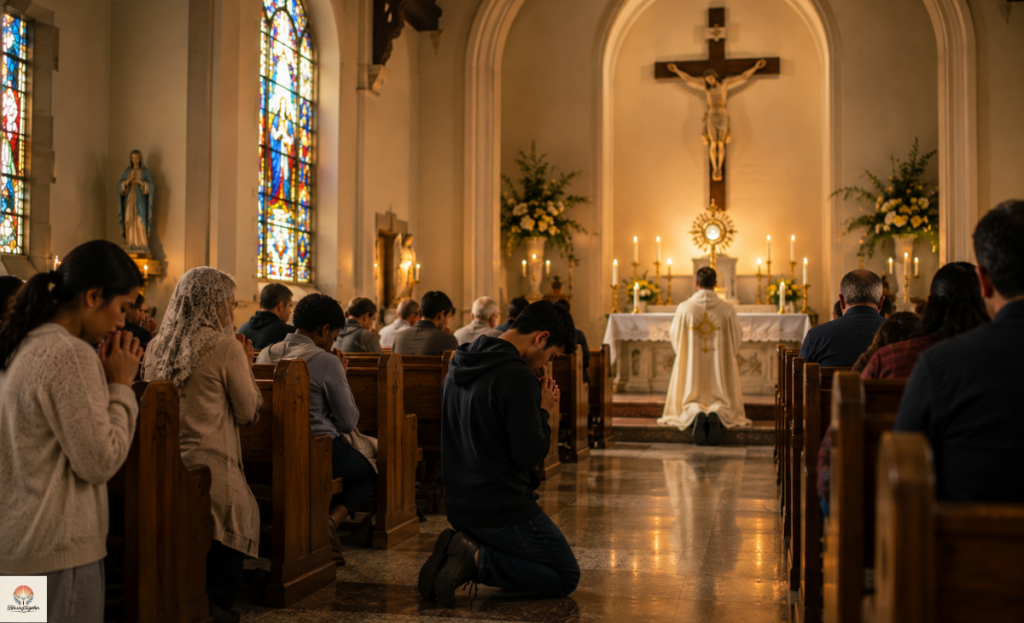
Understanding what is adoration in the Catholic Church and why is it important helps explain why millions of Catholics participate in this devotion. Adoration allows believers to focus completely on Christ without distractions. Through Eucharistic worship, Catholics honor Jesus and express their love, gratitude, and faith. This time of prayer strengthens the bond between believers and God.
Adoration is important because it promotes deepening relationship with Jesus and growing in faith through prayer. Many Catholics experience spiritual healing and renewal during a Holy Hour before the Eucharist. By honoring Jesus in the Eucharist, believers receive peace, encouragement, and guidance that help them continue their Catholic faith journey with confidence and hope.
3. The Biblical and Historical Foundations of Catholic Adoration

The foundation of what is adoration in the Catholic Church can be found in the Bible. Catholics believe that Jesus in the Eucharist fulfills His words at the Last Supper when He said, “This is my body.” These teachings form the basis of Eucharistic worship and belief in the Real Presence of Jesus. Many passages in Scripture encourage believers to worship, adore, and remain close to Christ.
Throughout Christian history, devotion to the Eucharist continued to grow. Early Christians gathered to pray and honor Christ’s presence among them. Over time, the Church developed practices such as Adoration of the Blessed Sacrament, Catholic holy hour, and public devotion before the Eucharist. These traditions remain an important part of Catholic spirituality today.
The history of adoration also reflects the Church’s desire to help believers stay connected to Christ outside of Mass. By spending time before the Blessed Sacrament, Catholics participate in a tradition that has inspired saints, priests, and ordinary believers for centuries. This practice continues to support spiritual growth and a stronger faith life.
Many Catholic saints spoke about the power of adoration. They believed that spending time with Jesus in prayer brings wisdom, peace, and strength. Their example encourages modern Catholics to embrace Eucharistic devotion and seek a deeper understanding of God’s love through prayer and worship.
4. How Eucharistic Adoration Takes Place in the Catholic Church
Many newcomers wonder what happens during adoration. During What is Eucharistic Adoration, the consecrated host is placed in a sacred vessel called a monstrance and displayed on the altar. This allows believers to pray before Christ and focus on His presence. The atmosphere is usually quiet and reverent to encourage contemplative prayer.
An adoration service may include Scripture readings, hymns, and periods of silence. However, much of the time is dedicated to silent prayer and personal reflection. Catholics often use this opportunity for prayer before the Blessed Sacrament, bringing their concerns, gratitude, and hopes before God.
5. What Do Catholics Do During Adoration?
Many people ask, what do you do during Eucharistic Adoration? The answer is simple. Catholics spend time with Jesus through prayer, reflection, and worship. Some sit quietly before the Blessed Sacrament, while others offer personal prayers or thank God for His blessings. This time helps believers practice resting in God’s presence and focusing completely on Christ.
Many Catholics bring a Bible and read Sacred Scriptures during adoration. Others spend time in meditation on Scripture, reflecting on God’s Word and applying it to daily life. This practice encourages developing a prayer life and helps believers gain a deeper understanding of their faith.
also pray for family members, friends, and personal intentions during their time with Christ.
A Catholic holy hour may also include asking for mercy and forgiveness, seeking guidance, or simply sitting in silence. Through quiet reflection before Jesus, believers experience finding peace in prayer and often leave feeling renewed, encouraged, and spiritually strengthened.
6. Spiritual Benefits of Adoration in the Catholic Church
One of the greatest benefits of Eucharistic Adoration is a closer relationship with Jesus. By regularly participating in Catholic Adoration, believers experience deepening relationship with Jesus and a stronger awareness of God’s love. Spending time before the Eucharist allows faith to grow in a natural and personal way.
Many Catholics describe adoration as a source of spiritual healing and renewal. During prayer, people often find comfort during difficult times and receive strength to face life’s challenges. Through healing through prayer, they learn to trust God more completely and rely on His guidance.
Perhaps the most important benefit is the opportunity for encountering Christ in the Eucharist. Through experiencing God’s grace, receiving spiritual blessings, and practicing worship and contemplation, believers often experience profound spiritual transformation that influences every area of life. This is why many Catholics consider adoration one of the most valuable forms of sacramental devotion and Eucharistic spirituality.
7. Common Questions and Misconceptions About Catholic Adoration
Many people mistakenly think that Catholic Adoration is the same as Mass. While both center on the Eucharist, they are different. During Mass, the Eucharist is consecrated and received. During Adoration of the Blessed Sacrament, Catholics spend time worshipping and praying before Jesus already present in the Eucharist.
Another common misunderstanding is that Catholics worship a piece of bread. The Church teaches that the Eucharistic host is truly the Real Presence of Jesus after consecration. Therefore, Catholics are worshipping Christ Himself, not an object. This belief is central to Eucharistic devotion and Catholic teaching.
Some people wonder whether adoration is required. While the Church strongly encourages it, adoration is not mandatory. However, many believers discover that regular time before the Blessed Sacrament helps them grow spiritually and strengthens their connection with Christ.
Others ask whether visitors or non-Catholics may attend adoration. In most cases, anyone is welcome to enter an adoration chapel respectfully and spend time in prayer or quiet reflection. Adoration offers an opportunity to experience the peace that comes from spending time in God’s presence.
Frequently Asked Questions
What happens during adoration in the Catholic Church?
During adoration, Catholics pray before the Blessed Sacrament, believing Jesus is truly present in the Eucharist. They may pray, read Scripture, reflect quietly, or sit in silence with Christ.
Is it better to go to Mass or adoration?
Mass is the highest form of worship because it includes the Eucharistic sacrifice and Holy Communion. Adoration complements Mass by helping believers deepen their relationship with Jesus.
What are the rules for adoration?
Visitors should enter quietly, dress modestly, silence phones, and show reverence before the Eucharist. Prayer, reflection, and respectful silence are encouraged during adoration.
What is the point of adoration?
The purpose of adoration is to worship Jesus, grow closer to Him, and spend time in His presence. It strengthens faith and brings peace, guidance, and spiritual renewal.
Why do people cry during adoration?
Many people feel God’s love, peace, or healing deeply during adoration, which can bring strong emotions. Tears may come from gratitude, repentance, comfort, or a profound spiritual experience.
Conclusion
Understanding what is adoration in the Catholic Church helps reveal why this practice remains so important to Catholics around the world. Through Adoration of the Blessed Sacrament, believers spend time with Christ, strengthen their faith, and develop a deeper appreciation for the Eucharist.
Whether through prayer before the Blessed Sacrament, praying the Rosary, reading Sacred Scriptures, or simply sitting in silence, adoration provides a unique opportunity for encountering Christ in the Eucharist. It allows believers to experience God’s love in a personal and meaningful way.

Hi, I’m Sidra Ali, a content writer behind Blessings Together. I love creating engaging and thoughtful content that brings positivity, inspiration, blessings and valuable insights to my readers.