


A Prayer for Wealth in Islam is more than simply asking for money. It is a sincere act of worship in which Muslims seek Allah’s guidance, provision, and blessings in every aspect of life. Islam teaches that true prosperity comes through halal rizq, honest effort, and complete trust in Allah. Along with financial growth, believers also seek barakah in wealth, knowing that blessings can make even a small income sufficient and rewarding. Through making dua, Muslims ask for financial blessings, opportunities, and protection from hardship while striving to earn a lawful living. This balanced approach helps achieve both worldly success and spiritual peace according to Islamic teachings.
What Is a Prayer for Wealth in Islam?
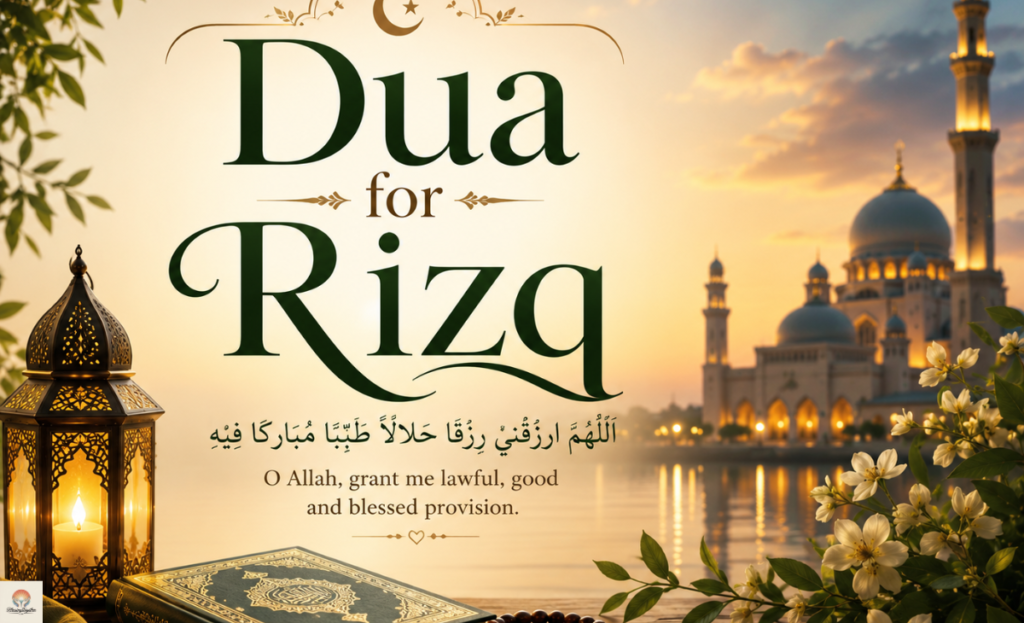
A Prayer for Wealth in Islam is a sincere supplication asking Allah for lawful provision, increased sustenance, and blessings in income. Unlike materialistic approaches that focus solely on accumulating money, Islamic teachings emphasize seeking wealth that benefits both this life and the Hereafter. Through making dua, believers ask Allah for opportunities, guidance, protection from poverty, and the wisdom to use wealth responsibly. This spiritual approach transforms financial goals into acts of worship and dependence upon Allah.
The purpose of a Dua for wealth is not merely to become rich. Rather, it is to seek financial blessings, financial stability, and the ability to fulfill obligations toward family, community, and faith. Throughout the Quran and Sunnah, Muslims are encouraged to ask Allah for provision while remaining grateful and content. This combination of effort, gratitude, and prayer helps create a healthy perspective on money and encourages believers to pursue lawful earnings instead of becoming consumed by worldly desires.
The Meaning of Rizq in Islam
The term Rizq refers to every form of provision granted by Allah. Many people associate rizq only with money, yet Islamic teachings present a much wider meaning. Health, knowledge, opportunities, loving relationships, time, and inner peace are all forms of rizq. Understanding this concept helps believers appreciate that good provision often includes blessings that cannot be measured financially. Every favor received from Allah falls under the umbrella of rizq.
The Quran repeatedly reminds believers that Allah alone controls provision. Some people receive wealth, while others receive wisdom, patience, or strong faith. Each blessing serves a unique purpose. Recognizing this broader definition allows Muslims to seek abundant provision without becoming obsessed with material gain. True prosperity includes both worldly resources and spiritual growth, creating a balanced and fulfilling life.
Prayer for Wealth in Islam: Authentic Duas for Rizq

Authentic supplications hold a special place in Islamic worship because they come directly from the Quran and Sunnah. These prayers provide guidance for believers seeking financial success, lawful provision, and increased blessings. Many Muslims turn to these supplications during periods of financial uncertainty, hoping for answered prayers and improved circumstances. By using authentic sources, believers follow the examples taught by the prophets and preserved through reliable Islamic scholarship.
Regular recitation of authentic duas strengthens a person’s relationship with Allah and nurtures patience during difficult times. These prayers remind believers that all provision comes from Allah alone. Whether someone seeks a new job, business growth, or relief from hardship, authentic Islamic supplications provide comfort and direction. Consistent prayer combined with sincere effort often leads to greater trust, resilience, and hope during life’s financial challenges.
Best Quranic Duas for Sustenance
Among the most beloved Quranic dua for sustenance verses is the prayer found in Qur’an 28:24:
“Rabbi inni limaa anzalta ilayya min khairin faqeer.”
This powerful supplication was made by Prophet Musa (Moses), expressing complete dependence upon Allah. It teaches humility and reminds believers that every blessing comes from the Creator. Many scholars recommend this prayer for those seeking employment, business opportunities, and increased provision.
Another important supplication appears in Qur’an 2:201:
“Rabbana atina fid-dunya hasanatan wa fil akhirati hasanatan wa qina adhaban naar.”
This comprehensive prayer asks Allah for goodness in both this world and the Hereafter while seeking protection from Hellfire. It highlights the Islamic principle that true success includes spiritual and worldly well-being. For this reason, it remains one of the most frequently recited Quran verses about provision and blessings.
Powerful Duas From the Sunnah for Financial Blessings
The Sunnah contains several authentic prayers related to provision and prosperity. One famous supplication narrated in Ibn Majah states:
“Allahumma inni as’aluka ilman nafi’an wa rizqan tayyiban wa amalan mutaqabbalan.”
This prayer asks for beneficial knowledge, halal rizq, and accepted deeds. It beautifully connects material success with spiritual development, showing that wealth should never be separated from faith and righteous action.
Another powerful supplication reported by Muslim asks Allah for sustenance and salvation, guidance, mercy, and protection. Such prayers demonstrate that Islamic teachings encourage believers to seek comprehensive well-being rather than wealth alone. By reciting authentic Sunnah duas, Muslims pursue prosperity while maintaining a strong connection to worship, gratitude, and reliance upon Allah.
Dua for Rizq (Increase Your Wealth and Sustenance)

One of the most effective ways to seek increase in rizq is through consistent prayer combined with sincere effort. A well-known supplication narrated in Abu Dawud states:
“Allahumma inni as’aluka min fadlik.”
This concise prayer means, “O Allah, I ask You for Your favor.” Despite its simplicity, it carries profound meaning. The supplication acknowledges that every opportunity, blessing, and provision ultimately comes from Allah’s generosity. Many scholars recommend reciting this dua regularly while pursuing work, education, or business opportunities.
Those searching for the best dua for wealth and success, powerful dua for rizq and barakah, dua for provision, dua for abundance and prosperity, or Islamic duas for wealth often begin with authentic supplications from the Quran and Sunnah. These prayers nurture faith, strengthen trust in Allah, and encourage believers to remain patient during delays. As Muslims continue seeking Allah’s favor through worship and effort, they develop confidence that their provision has already been written by the One who controls all sustenance. Ameen.
How Allah Provides Rizq to His Servants
Understanding how Allah provides Rizq helps believers develop patience, gratitude, and confidence during every stage of life. Islam teaches that Allah is Ar-Razzaq, meaning The Provider. Every blessing, opportunity, and resource comes from Him. Sometimes provision arrives through employment, business, or investments. At other times, it appears unexpectedly through gifts, assistance, knowledge, or opportunities that could never have been predicted. This understanding encourages Muslims to rely on sustenance from Allah rather than becoming overly dependent on worldly systems.
The Quran repeatedly reminds believers that Allah controls the heavens and the earth and provides for all creation. Birds leave their nests hungry and return satisfied because Allah facilitates their provision. Human beings are encouraged to work diligently while maintaining trust in Allah.
The Importance of Earning Halal Wealth in Islam
The pursuit of wealth in Islam must always be guided by ethical principles. Islam does not discourage financial growth or prosperity. In fact, many prophets and righteous companions engaged in trade and business. However, the source of income matters greatly. Wealth acquired through deception, exploitation, or prohibited means lacks the blessings that come from lawful earnings. This is why Islamic teachings consistently emphasize the importance of seeking halal income and maintaining integrity in financial matters.
A person’s earnings directly affect their worship, family life, and spiritual well-being. The Prophet Muhammad ﷺ taught that Allah is pure and accepts only what is pure. Therefore, individuals seeking a Prayer for Wealth in Islam must also ensure that their financial activities align with Islamic values. True financial success is not measured solely by wealth accumulation. It is measured by the presence of barakah in wealth, peace of mind, and the ability to use resources in ways that please Allah.
Sources of Halal Income
Islam encourages believers to pursue income through honest work, ethical business practices, and beneficial services. Employment, entrepreneurship, skilled trades, agriculture, consulting, education, and lawful investments are all examples of acceptable ways to earn halal rizq. The key principle is honesty and fairness. Transactions should be transparent, agreements honored, and customers treated respectfully.
The concept of lawful earnings extends beyond legality. A source of income may be legally permitted within a society yet still violate Islamic ethics if it involves fraud, exploitation, or injustice. Muslims are encouraged to seek lawful provision that benefits both themselves and society. By doing so, they invite financial blessings, strengthen their communities, and increase the likelihood of receiving Allah’s favor in both this world and the Hereafter.
Avoiding Haram Earnings
Just as Islam identifies permissible sources of income, it also warns against prohibited earnings. Activities involving interest (riba), fraud, theft, gambling, bribery, and deception fall into the category of Haram income. Such earnings may increase a person’s bank balance, but they often remove barakah in wealth and create spiritual harm.
The pursuit of wealth should never come at the expense of faith or integrity. Muslims are reminded that temporary financial gain obtained through prohibited means cannot compare to the blessings that accompany Halal earnings. Those who avoid haram income out of obedience to Allah often discover that Allah opens better doors and provides alternatives filled with greater goodness and long-term benefit.
Developing a Healthy Relationship With Money
Money plays an important role in daily life, yet Islam teaches that it should remain a tool rather than a master. A healthy relationship with wealth allows individuals to meet their needs, support their families, and contribute positively to society without becoming consumed by greed. The goal is not to reject wealth but to view it through the lens of responsibility and gratitude. This balanced perspective helps believers pursue prosperity while protecting their spiritual well-being.
Many financial problems arise when people attach their self-worth entirely to their income or possessions. Islam encourages moderation and contentment. By remembering that all blessings come from Allah, believers avoid excessive anxiety about money while still striving for success. This approach creates greater financial stability, emotional peace, and a stronger connection to faith.
How You Obtained It
The method used to earn money matters as much as the amount earned. Islam teaches that every person will be questioned about how they acquired their wealth and how they spent it. This accountability encourages honesty, hard work, and ethical behavior in every financial transaction. A person who earns wealth through integrity gains not only income but also spiritual rewards.
When individuals pursue halal income, they invite blessings in income and increase the likelihood that their prayers will be accepted. Ethical earnings provide peace of mind because there is confidence that the wealth was obtained through means pleasing to Allah. This spiritual security often becomes more valuable than financial gain itself.
How You Feel About Money
A healthy mindset toward money can transform a person’s entire financial journey. Islam teaches that wealth should be appreciated without becoming an obsession. Gratitude protects believers from envy, while contentment prevents endless dissatisfaction. This balanced perspective helps individuals remain motivated without becoming consumed by materialism.
The relationship between money and happiness is often misunderstood. Financial resources can improve quality of life, yet lasting fulfillment comes from faith, purpose, and gratitude. By maintaining gratitude to Allah, believers develop resilience during challenges and humility during prosperity. This emotional balance allows them to enjoy success without becoming dependent upon it.
How You Spend Your Wealth
The way money is spent reflects a person’s values and priorities. Islam encourages responsible spending that benefits both the individual and the wider community. Providing for family members, supporting charitable causes, investing in education, and helping those in need are all considered noble uses of wealth.
Wise spending also protects against waste and extravagance. A person may earn significant wealth, yet poor financial habits can quickly diminish its value. Through responsible budgeting and managing finances, Muslims can preserve resources while maximizing their positive impact. This approach contributes to both worldly success and spiritual reward.
The Role of Tawakkul When Making a Prayer for Wealth in Islam
One of the most important principles connected to a Prayer for Wealth in Islam is Tawakkul. Often translated as reliance upon Allah, Tawakkul means trusting Allah completely while continuing to take practical action. It does not mean abandoning effort or expecting success without work. Instead, it involves doing everything possible while recognizing that the final outcome remains in Allah’s hands.
The famous teaching, “Tie your camel and trust in Allah,” perfectly illustrates this balance. Believers are expected to pursue education, employment, business opportunities, and financial planning. At the same time, they understand that success ultimately comes through Allah’s permission. This combination of action and faith creates a powerful foundation for growth and resilience.
During periods of financial hardship, money struggles, and economic challenges, Tawakkul becomes especially important. People often experience delays, setbacks, or unexpected obstacles despite their best efforts. By maintaining trust in Allah, they avoid despair and continue moving forward with hope. This mindset strengthens patience and encourages perseverance when results do not appear immediately.
Many stories throughout Islamic history demonstrate the power of tawakkul in Islam. Prophets, scholars, and righteous individuals faced immense difficulties yet remained confident in Allah’s wisdom and mercy. Their examples remind believers that provision may arrive in unexpected ways and at unexpected times. Through sincere effort, consistent making dua, and unwavering reliance upon Allah, Muslims can pursue wealth while preserving their faith and inner peace.
Good Deeds That Increase Rizq and Barakah
Islam teaches that provision is connected not only to effort but also to obedience and righteousness. Certain actions attract Barakah, increase opportunities, and open doors that may otherwise remain closed. While wealth ultimately comes from Allah, believers are encouraged to engage in deeds that invite His mercy and blessings. These actions strengthen faith while creating positive changes in both spiritual and worldly affairs.
Many Muslims focus solely on financial strategies when seeking prosperity. However, Islamic teachings emphasize that worship, character, and relationships can significantly influence a person’s provision. Through sincere acts of obedience, believers increase their chances of receiving financial blessings, wealth and blessings, and greater peace in their daily lives. These actions do not replace hard work, but they complement it by seeking Allah’s support and guidance.
Charity (Sadaqah)
One of the most powerful means of increasing Rizq is charity. Although giving money away may appear to reduce wealth, Islamic teachings explain that charity actually invites greater blessings. The Prophet Muhammad ﷺ taught that charity does not decrease wealth. Instead, it attracts Allah’s mercy and creates opportunities for growth that may not be immediately visible.
Giving regularly also purifies the heart from greed and excessive attachment to material possessions. Through seeking blessings and helping others, believers strengthen their connection to Allah while increasing barakah in wealth. Many people who consistently give charity report experiencing unexpected opportunities, improved circumstances, and greater contentment in life.
Gratitude and Istighfar
The Quran repeatedly links gratitude with increased blessings. Allah promises that if people are grateful, He will increase them in favor and provision. Practicing gratitude to Allah shifts focus away from scarcity and toward appreciation for existing blessings. This mindset fosters contentment while encouraging believers to continue striving for improvement.
Similarly, seeking forgiveness through Istighfar plays an important role in attracting provision. Islamic scholars often cite verses showing that repentance can lead to increased blessings, rain, wealth, and children. Through forgiveness and mercy, believers cleanse their hearts and remove barriers that may hinder spiritual and worldly growth. Regular remembrance of Allah creates an environment where blessings can flourish.
Maintaining Family Ties
Maintaining strong family relationships is another powerful source of blessings. The Prophet ﷺ taught that those who maintain family ties may experience increased provision and longer lives filled with goodness. Healthy relationships create emotional support, strengthen communities, and encourage mutual assistance during difficult times.
Family connections also reflect obedience to Allah’s commands regarding kindness, compassion, and responsibility. By preserving relationships and resolving conflicts, believers invite spiritual blessings and increase the possibility of receiving greater halal rizq. The benefits often extend beyond finances, improving emotional well-being and overall quality of life.
Common Reasons Why Barakah May Be Missing From Wealth
Many individuals earn substantial incomes yet still struggle with stress, dissatisfaction, or recurring financial problems. This situation often highlights the difference between wealth and Barakah. While money can provide comfort and opportunities, it cannot guarantee happiness or peace of mind. Islam teaches that blessings may be reduced when people neglect their spiritual responsibilities or engage in harmful behaviors.
Prayer for Wealth in Islam During Financial Hardship
Financial challenges affect people from every background. Job loss, unexpected expenses, business setbacks, and economic uncertainty can create immense pressure. During such moments, a Prayer for Wealth in Islam becomes more than a request for money. It becomes a source of comfort, hope, and spiritual strength. Turning to Allah during hardship reminds believers that no difficulty lasts forever.
Islam encourages patience without promoting passivity. Believers are expected to continue seeking employment, developing skills, and improving their circumstances while maintaining faith. Through seeking Allah’s help, individuals find emotional resilience that helps them navigate difficult situations. The combination of effort, prayer, and patience creates a powerful framework for overcoming adversity.
Many prophetic examples demonstrate perseverance during hardship. The prophets faced periods of scarcity, uncertainty, and struggle yet never lost confidence in Allah’s wisdom. Their stories teach that temporary challenges often prepare individuals for future blessings. Through faith during hardship, Muslims remain hopeful even when solutions are not immediately visible.
Duas for Debt Relief and Financial Problems
Debt can create significant emotional and financial pressure. Many people experience anxiety, stress, and uncertainty when facing large financial obligations. Islam recognizes these struggles and provides authentic supplications for debt forgiveness, debt repayment, and relief from financial burdens. These prayers offer spiritual comfort while encouraging responsible action.
One famous supplication narrated in Bukhari states:
“Allahumma inni a’udhu bika minal hammi wal hazan, wal ajzi wal kasal, wal jubni wal bukhli, wa dala’id-dayni wa ghalabatir-rijal.”
This powerful prayer seeks refuge from anxiety, protection from sorrow, protection from laziness, protection from miserliness, and relief from the burden of debt. It remains one of the most recommended supplications for individuals experiencing financial stress, debt burden, and money struggles.
Another important supplication reported by Tirmidhi states:
“Allahumma akfini bihalalika an haramika wa aghnini bifadlika amman siwaka.”
This prayer asks Allah for financial independence, lawful provision, and protection from prohibited sources of income. Many Muslims recite this as a Dua for debt relief, Dua for money problems, dua for getting out of debt, and dua for debt repayment while actively working toward financial recovery.
Signs Allah Has Blessed Your Rizq
Many people assume that wealth alone indicates success. However, Islamic teachings provide a broader perspective. One sign of blessed Rizq is contentment. A person may not possess vast riches, yet they feel peaceful, grateful, and secure. This inner satisfaction often reflects the presence of barakah in wealth and Allah’s favor.
Another sign involves consistency. Blessed provision often arrives steadily and supports essential needs without constant turmoil. Opportunities continue to appear, obligations are fulfilled, and unexpected assistance may arrive when needed most. Such experiences remind believers that sustenance from Allah extends beyond visible financial resources.
Generosity is another indicator. When Allah blesses a person’s wealth, they often find it easier to support family members, contribute to charitable causes, and assist those facing hardship. This ability to help others reflects both material prosperity and spiritual maturity.
Finally, gratitude itself becomes a sign of blessing. Individuals who regularly thank Allah for their provision tend to experience greater peace and fulfillment. Their focus shifts from what they lack to what they have been given, creating a mindset that attracts even greater blessings.
FAQs
How to pray to Allah for wealth?
Pray sincerely to Allah, ask for halal rizq, barakah, and financial ease, while making honest efforts to earn a living.
Combine dua with Tawakkul (trust in Allah) and gratitude for what you already have.
What is the powerful prayer for wealth?
A well-known dua is: “Allahumma inni as’aluka min fadlika” (O Allah, I ask You for Your bounty).
This supplication asks Allah for His favor, provision, and blessings.
Which surah is for wealth?
Many Muslims recite Surah Al-Waqi’ah and Surah Al-Mulk while seeking Allah’s provision and blessings.
However, no surah guarantees wealth, as rizq comes from Allah according to His wisdom.
Which dua makes you rich?
A famous dua is: “Allahumma akfini bihalalika ‘an haramika wa aghnini bifadlika ‘amman siwaka.”
It asks Allah to provide lawful sustenance and make you independent through His bounty.
How do I increase my wealth in Islam?
Earn halal income, give charity, seek forgiveness often, maintain family ties, and make regular dua for rizq.
Islam teaches that barakah in wealth grows through obedience, generosity, and trust in Allah.
Conclusion
A Prayer for Wealth in Islam is about far more than financial gain. It represents a believer’s recognition that all provision comes from Allah and that true success includes faith, gratitude, and righteousness. Through authentic Islamic duas for wealth, sincere effort, and unwavering Tawakkul, Muslims seek both worldly prosperity and eternal reward.
The journey toward prosperity should always include halal rizq, ethical conduct, charity, and remembrance of Allah. Whether someone seeks a Dua for rizq, Dua for provision, powerful Islamic dua for wealth, prayer for financial blessings, or Dua for abundance in business, the ultimate goal remains the same: earning Allah’s pleasure while building a stable and meaningful life.
May Allah grant us good provision, financial relief, wealth and blessings, freedom from debt, increased blessings, and abundant Barakah in all that He has provided. Ameen.

Hi, I’m Sidra Ali, a content writer behind Blessings Together. I love creating engaging and thoughtful content that brings positivity, inspiration, blessings and valuable insights to my readers.